Featured
Getting The Documents to Prepare for Bankruptcy Counselin...
Some Known Details About APFSC Approach to Secure Financi...

The 5-Minute Rule for Understanding Your Legal Options in...
8 Simple Techniques For Non-Profit Relief Programs Explained
Table of Contents
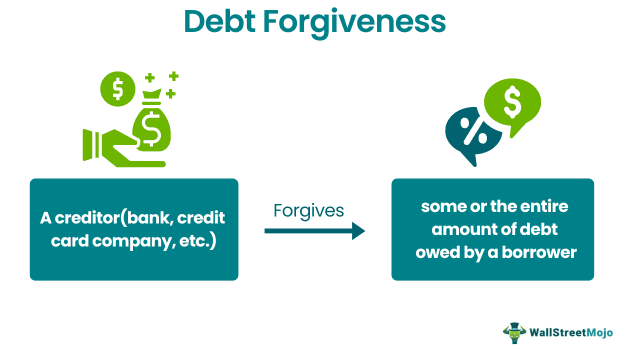
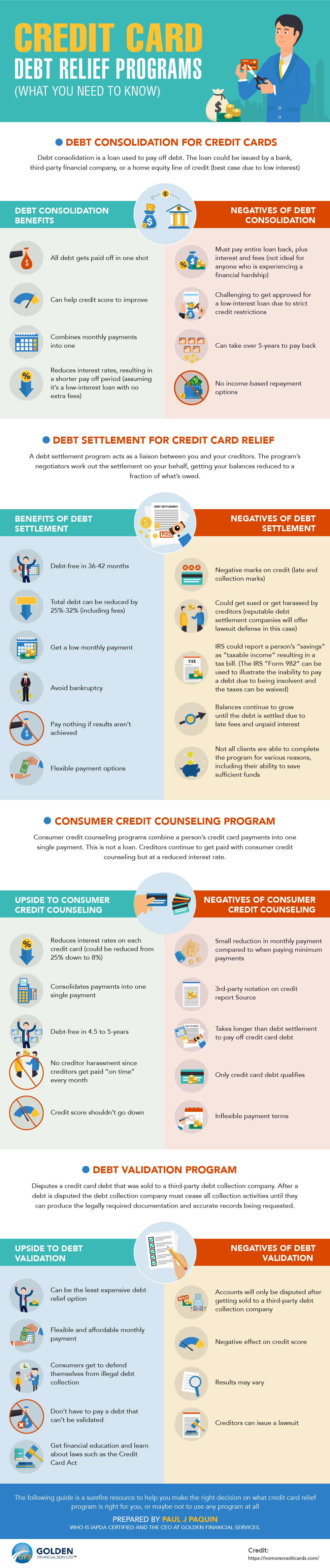
That maximizes cash in the brief term, and you may have 3 to four years to save toward the settlement amount. Really damaging to credit rating, mostly as a result of missed out on repayments and a negative "worked out" mark that can remain on your debt record for approximately seven yearsMay be only choice if other options (debt loan consolidation, equilibrium transfer charge card, financial debt mercy) aren't possibleTypically needs a fee to the third party, which might balance out some or all of the financial savings from financial obligation settlementMay aid you avoid bankruptcy if you've missed a number of paymentsNot all lenders work with financial obligation settlement business Financial debt mercy may be best for you if you are experiencing a monetary difficulty that makes it almost difficult to pay for your debt equilibriums.

With a DMP, you make one regular monthly payment to the credit counseling firm. Those funds are after that distributed to creditors of your unprotected financial debts, such as bank card and installment finances. The company collaborates with your lenders to minimize rate of interest or forgo costs, yet some lenders may refuse such giving ins.
It can assist you pay down debt if you're able to safeguard a finance rate that's lower than the ordinary rate of the accounts you're combining. You have to refrain from racking up financial obligation on those freshly cleared accounts or your financial obligation could grow even greater.
These cards commonly supply a 0% interest initial period of as much as 21 months. That offers you a lot of time to get rid of or dramatically minimize your equilibrium while making interest-free payments. For some people dealing with impossible debt, insolvency may be the only means to stop collection proceedings and legitimately fix their financial obligations.
Policy Changes Affecting How Young Professionals Can Avoid Debt Traps Early in Their Careers Options Things To Know Before You Get This
You might need it if your lender or a collection agency ever tries to accumulate on the financial debt in the future. The letter might prove you don't owe what the debt collection agency's records show. Yes, in a lot of cases, the internal revenue service considers forgiven financial debt as taxed earnings. When a loan provider forgives $600 or even more, they are called for to send you Form 1099-C.
Debt forgiveness or settlement virtually always injures your debt. Anytime you clear up a financial obligation for less than you owe, it may appear as "settled" on your credit scores record and impact your credit rating for seven years from the date of settlement. Your credit rating can likewise drop significantly in the months resulting in the mercy if you fall back on repayments.
The Best Guide To Legal Changes That Could Change Debt Relief Procedures
Tax obligation financial obligation compromise programs Tax obligation financial debt happens when the amount of taxes you owe exceeds what you have paid. This situation frequently results from underreporting earnings, not submitting returns on schedule, or inconsistencies discovered during an internal revenue service audit. The effects of accumulating tax financial obligation are serious and can include tax liens, which provide the IRS a legal insurance claim to your home as safety and security for the financial debt.
Wages and Financial institution Accounts IRS can levy (take) earnings and bank accounts to satisfy the financial debt. Residential or commercial property Seizure In extreme cases, the IRS can take and market residential property to cover the financial obligation.
Social Preconception Encountering legal activity from the IRS can lug social stigma. Employment Opportunities A poor credit rating rating due to tire financial obligation can limit employment opportunities. Federal government Benefits Tax financial debt might affect eligibility for government advantages, such as Social Security and Medicaid.
Examine This Report about How APFSC Differ in Alternative Debt Relief Organizations
The OIC considers several elements, consisting of the taxpayer's revenue, costs, asset equity, and ability to pay. Efficiently discussing an OIC can be complicated, calling for a comprehensive understanding of the internal revenue service's guidelines and a strong disagreement for why your deal lines up with your capacity to pay. It's essential to keep in mind that not all applications are accepted, and the procedure calls for in-depth monetary disclosure.
The IRS analyzes your overall economic situation, including your revenue, expenses, asset equity, and capability to pay. You have to additionally be current with all declaring and repayment requirements and not be in an open bankruptcy case. The IRS likewise considers your compliance background, assessing whether you have a record of timely declaring and paying taxes in previous years.
Understanding Your Protections in Debt Forgiveness Things To Know Before You Get This
The application procedure for an Offer in Concession includes several comprehensive steps. You must complete and submit Internal revenue service Kind 656, the Deal in Compromise application, and Form 433-A (OIC), a collection details statement for people. These types call for comprehensive financial information, consisting of details about your income, debts, costs, and possessions.
Back tax obligations, which are unpaid tax obligations from previous years, can dramatically increase your overall internal revenue service financial debt if not resolved without delay. This financial obligation can build up rate of interest and late payment fines, making the initial amount owed much bigger with time. Failure to repay taxes can lead to the internal revenue service taking enforcement actions, such as releasing a tax obligation lien or levy against your building.
It is necessary to deal with back tax obligations asap, either by paying the sum total owed or by setting up a repayment strategy with the internal revenue service. By taking aggressive steps, you can stay clear of the buildup of additional interest and charges, and avoid more aggressive collection activities by the internal revenue service.
One typical factor is the idea that the taxpayer can pay the total either as a round figure or with a settlement strategy. The IRS additionally considers the taxpayer's revenue, expenditures, possession equity, and future earning possibility. If these factors indicate that the taxpayer can pay for to pay greater than the offered quantity, the internal revenue service is most likely to decline the deal.
Your Rights - An Overview
Dealing with IRS financial debt can be complicated and daunting. Tax professionals, such as Certified public accountants, tax obligation lawyers, or signed up agents, can provide vital assistance.

Table of Contents
Latest Posts

Getting The Documents to Prepare for Bankruptcy Counseling To Work

The Role of Expert Financial Advice Can Be Fun For Anyone
Some Known Details About APFSC Approach to Secure Financial Relief
More
Latest Posts
Getting The Documents to Prepare for Bankruptcy Counseling To Work
The Role of Expert Financial Advice Can Be Fun For Anyone
Some Known Details About APFSC Approach to Secure Financial Relief